
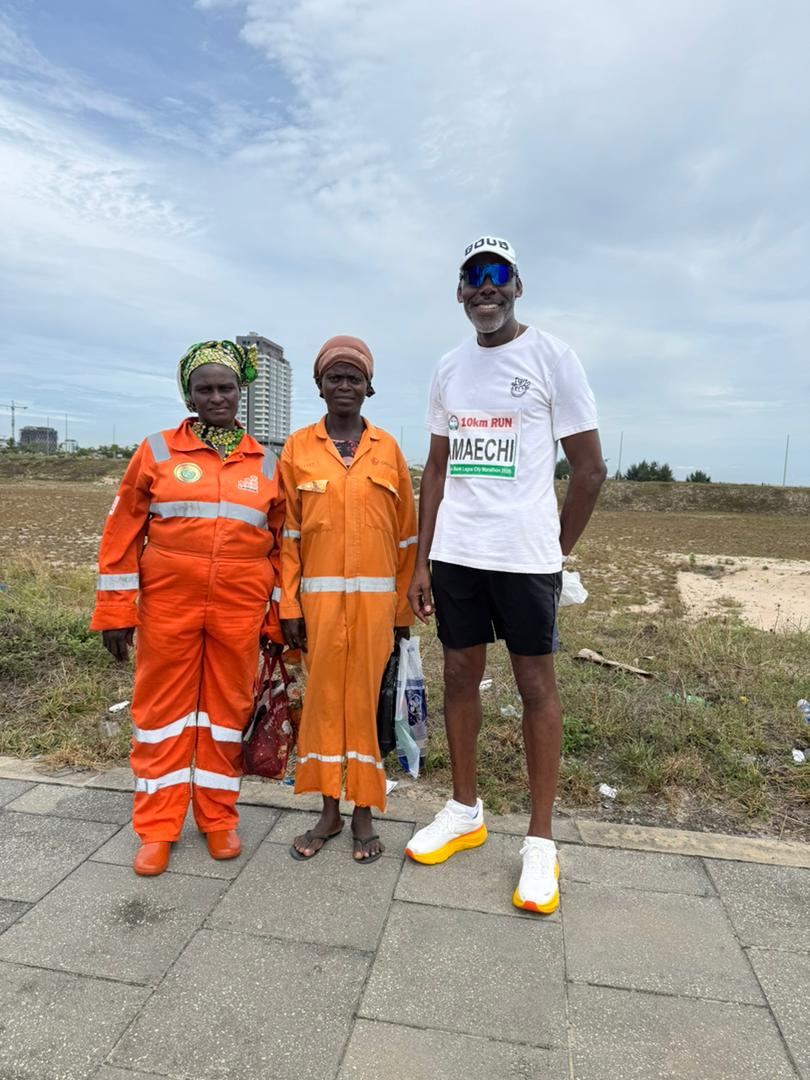

When the final runner crossed the finish line at the 11th edition of the Access Bank Lagos City Marathon (ABLCM), the applause began to fade. But for hundreds of workers across Lagos, the real work was just beginning.
Major highways had been closed to facilitate the event. Tens of thousands of runners moved through the city in a coordinated surge of athletic endurance. Thousands of bottles of water and energy drinks were distributed, alongside sachets containing essential medical supplies and medication. The race route itself was meticulously prepared, lined with banners, barricades, medical tents and precision timing systems that ensured safety, organisation and accurate performance tracking from start to finish.
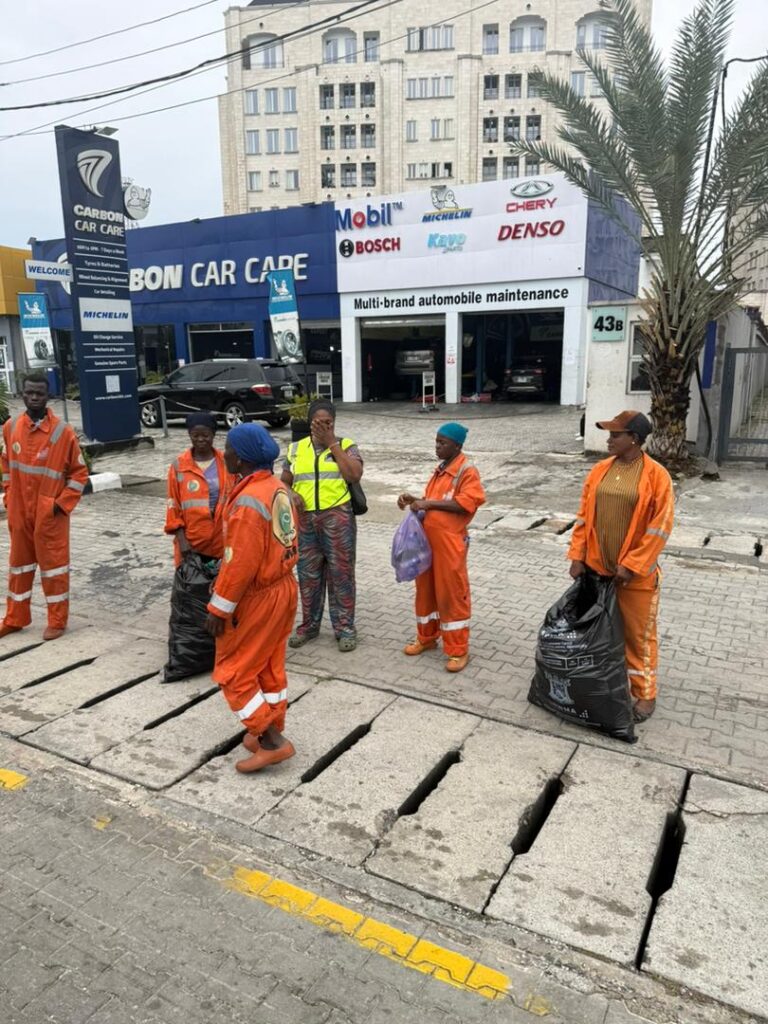
What followed was the part few cameras lingered on, yet it remains one of the clearest indicators of institutional progress.
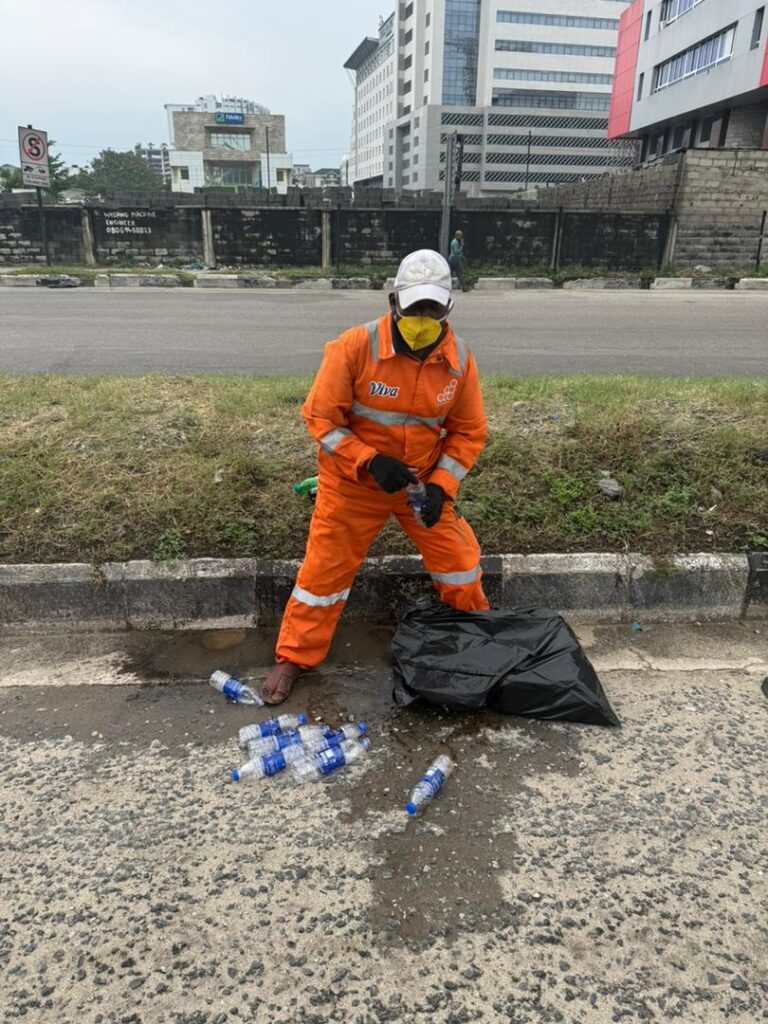
Within minutes of the race conclusion, coordinated sanitation teams fanned out across the marathon corridor. Their work went beyond sweeping. Waste was systematically sorted. Plastic bottles were separated from general refuse. Sachets were gathered in bulk. Collection trucks moved along predefined routes, ensuring rapid evacuation of waste. Temporary race infrastructure was dismantled with quiet precision.
In a megacity like Lagos, speed is a necessity. Urban momentum cannot pause for long. The ability to restore order quickly after an event of this magnitude reflects operational discipline across interconnected systems, municipal authorities, environmental agencies, private waste management partners and event coordinators.
Globally, large-scale sporting events are no longer evaluated solely by participation numbers or prize purses. Sustainability has emerged as a defining metric. Environmental responsiveness is now a core measure of credibility. Cities seeking tourism growth, foreign investment and international partnerships must demonstrate that scale does not compromise responsibility. The 2026 marathon provided a compelling case study in this evolution.
The clean-up operation itself generated meaningful economic activity. Temporary employment opportunities emerged for sanitation workers and logistics personnel. Recycling partners engaged in material recovery, reinforcing circular economy value chains. What was once viewed as routine waste disposal has evolved into a structured ecosystem of environmental services, a sector of increasing importance in modern urban economies.
This level of sustainability was the result of deliberate planning. Effective post-event recovery requires route mapping, waste volume projections, coordination between sponsors such as Access Bank Plc and municipal bodies, contingency planning for congestion points and clear communication protocols.
Each edition of the marathon has built on lessons from the last. International participation has expanded. Accreditation standards have strengthened. Media visibility has grown. Most importantly, environmental management has become embedded in the marathon’s operational framework rather than treated as an afterthought.
Progress rarely arrives in dramatic leaps, it advances through incremental improvements, refined systems and institutional learning. Just as elite runners close performance gaps through disciplined training, cities strengthen their global standing through consistent operational excellence.
The 2026 marathon therefore tells a story that extends far beyond athletic achievement. It is a story of coordination, sustainability as strategy rather than slogan, and the often unseen workforce, sanitation workers, planners, volunteers, security officials and environmental partners, whose discipline sustains the spectacle.
Because in the end, global cities are judged by how well they host and how responsibly they restore. On the marathon day in Lagos, it was the runners who demonstrated endurance and the systems, and the people behind them, who ensured that when the cheering stopped, the city kept moving.