
Olayiwola Matthew
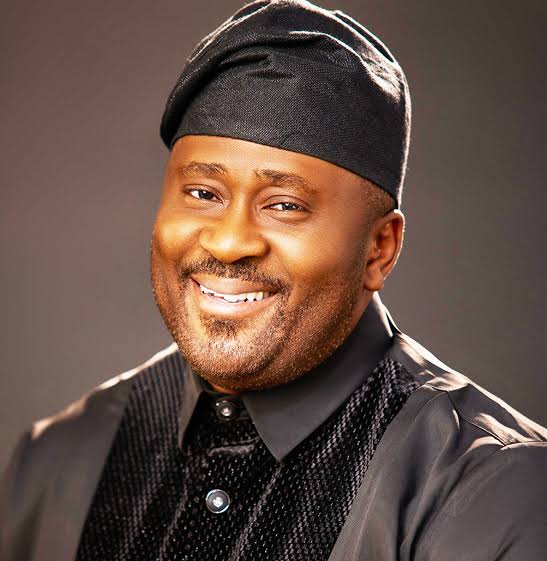
A member of the Lagos State House of Assembly representing Surulere Constituency I, Desmond Elliot, has explained why he endorsed the January 2025 move that temporarily removed Speaker Mudashiru Obasa from office.
Speaking during an interview on Channels Television on Tuesday, Elliot said he appended his signature to the impeachment document because many lawmakers believed the process had the approval of the Presidency.
The lawmaker was responding to comments credited to the Chief of Staff to the President, Femi Gbajabiamila, who reportedly said Elliot’s involvement in the leadership crisis nearly created political problems for him.
According to Elliot, he was outside Nigeria when the political upheaval began at the Assembly.
He disclosed that he and his wife had travelled during the legislative recess to attend a family wedding in South Africa when news of the Speaker’s removal broke.
“I was not in Nigeria when everything happened,” he said. “We had travelled during the recess period for my wife’s younger sister’s wedding, so the development met me abroad.”
Elliot explained that by the time he returned, a large number of lawmakers had already supported the impeachment initiative, creating the impression that influential political authorities were behind the action.
“When I got back, many members had already signed the document and there was a widespread belief that the move had the support of the Presidency,” he stated.
The actor-turned-lawmaker added that he joined others in signing the notice under that understanding.
He, however, revealed that the situation later changed after President Bola Ahmed Tinubu reportedly clarified that he neither authorised nor supported the impeachment.
Elliot said lawmakers were subsequently directed to restore Obasa as Speaker, a decision they complied with.
“Afterwards, the President made it clear to us that the action did not originate from him, and we had to reverse course,” he said.
The lawmaker also expressed disappointment over Gbajabiamila’s remarks, noting that he had maintained a longstanding political relationship with the President’s Chief of Staff.
He said he was surprised by suggestions that his participation in the impeachment saga nearly caused political consequences for his leader.
The crisis within the Lagos Assembly began in January 2025 after lawmakers voted to remove Obasa while he was reportedly outside the country.
Members of the Assembly had accused the Speaker of misconduct, authoritarian leadership style, abuse of office and alleged irregularities involving legislative finances.
Following his removal, Deputy Speaker Mojisola Meranda was elevated to the position, making history as the first woman to lead the Lagos legislature.
Obasa, however, rejected the process, insisting constitutional procedures were ignored in carrying out the impeachment.
The dispute triggered a prolonged political standoff within the Assembly, including legal battles and interventions by senior figures within the ruling All Progressives Congress.
The leadership crisis was eventually resolved after Meranda stepped down from the role, leading to Obasa’s return as Speaker of the House.